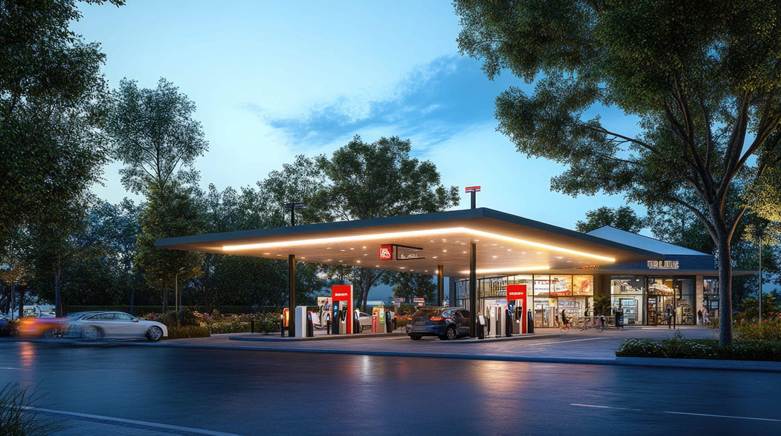
Today’s fuel retailers are evolving well beyond their traditional role as places to refuel vehicles. Nicholas Kambitsis explores how foodservice expansion is transforming modern gas stations into convenient destinations where customers can quickly purchase fresh meals, beverages, and everyday essentials alongside fuel. As consumer expectations continue to change, investing in foodservice has become an increasingly important strategy for creating new revenue opportunities while strengthening customer loyalty.
For decades, convenience stores primarily offered packaged snacks, bottled drinks, and basic travel necessities. While these products remain important, today’s consumers increasingly seek higher-quality food options that fit busy lifestyles. Many customers now expect fresh coffee, prepared meals, healthier snacks, and grab-and-go options that rival traditional quick-service restaurants.
This shift has encouraged many fuel retailers to rethink how convenience stores serve both travelers and local communities.
Why Consumer Expectations Are Changing
Modern consumers value convenience, but they also expect greater quality and variety than previous generations.
Busy schedules have increased demand for food that is:
- Freshly prepared
- Ready to eat
- Affordable
- Easy to purchase quickly
- Available throughout the day
Rather than making multiple stops, many customers appreciate being able to fuel their vehicles, purchase a meal, and pick up household essentials during a single visit.
Meeting these expectations helps convenience retailers become part of customers’ daily routines instead of serving only occasional travel needs.
Foodservice Creates New Revenue Opportunities
Fuel prices fluctuate frequently, making it beneficial for retailers to diversify revenue streams beyond gasoline sales.
Foodservice contributes to business growth by:
- Increasing higher-margin sales
- Encouraging larger transaction sizes
- Bringing customers into the store more frequently
- Creating repeat business
- Reducing dependence on fuel margins alone
Prepared foods, specialty beverages, and fresh meal offerings often generate stronger profit margins than many traditional convenience store products.
Competing Through Convenience Rather Than Speed Alone
Quick-service restaurants remain strong competitors, but convenience retailers possess advantages of their own.
Customers often value:
- Faster entry and checkout
- Extended operating hours
- One-stop shopping
- Easy parking
- Locations along daily commuting routes
Rather than directly replacing restaurants, convenience retailers increasingly complement them by providing high-quality food options in highly accessible locations.
Store Design Supports the Customer Experience
Foodservice expansion often requires thoughtful store design that balances operational efficiency with customer comfort.
Successful layouts may include:
- Clearly visible food preparation areas
- Organized grab-and-go displays
- Comfortable beverage stations
- Efficient checkout flow
- Attractive refrigeration displays
- Easy navigation throughout the store
Well-designed environments help customers locate products quickly while encouraging additional purchases during each visit.
Fresh Food Requires Operational Excellence
Expanding foodservice involves more than adding new menu items. Maintaining consistent quality requires careful operational planning.
Important considerations include:
- Inventory management
- Food safety procedures
- Equipment maintenance
- Employee training
- Supplier relationships
- Quality control
Reliable operations help ensure customers receive consistent products that encourage repeat visits.
Technology Improves Foodservice Operations
Technology has become an important tool for managing modern convenience retail operations.
Digital solutions can support:
- Real-time inventory monitoring
- Demand forecasting
- Mobile ordering
- Digital loyalty programs
- Automated temperature monitoring
- Sales performance analysis
These systems help retailers reduce waste while improving operational efficiency and customer satisfaction.
Building Customer Loyalty Through Food
Foodservice provides opportunities to strengthen long-term customer relationships.
Customers who regularly purchase meals or beverages often visit locations more frequently than those stopping only for fuel.
Retailers can encourage repeat visits through:
- Breakfast and lunch promotions
- Seasonal menu offerings
- Fresh coffee programs
- Loyalty rewards
- Mobile app incentives
- Personalized promotions
These strategies help transform occasional customers into regular visitors.
Meeting the Needs of Local Communities
Many convenience stores serve neighborhoods as much as highway travelers. Expanding foodservice allows retailers to better support local residents who seek quick, reliable meal options close to home or work.
Offering products that reflect local preferences may include:
- Regional menu selections
- Fresh bakery items
- Healthy snack choices
- Ready-to-cook meals
- Locally sourced products where appropriate
Understanding community preferences helps retailers create offerings that remain relevant throughout the year.
Preparing for Continued Industry Evolution
Consumer expectations will continue evolving as technology, demographics, and purchasing habits change.
Future foodservice innovation may involve:
- Expanded digital ordering
- Personalized loyalty programs
- Enhanced self-service technology
- Broader healthy food selections
- Improved operational automation
Retailers that remain flexible and responsive will be better positioned to adapt to these changing market demands.
Conclusion
Foodservice has become an increasingly important part of the modern convenience retail industry. By offering fresh, high-quality meal options alongside fuel and everyday essentials, gas stations can build stronger customer relationships and expand revenue beyond traditional fuel sales.
As convenience stores continue evolving into destination retail locations, success will depend on combining operational excellence, thoughtful store design, technology, and customer-focused food offerings that meet the changing needs of today’s consumers.